
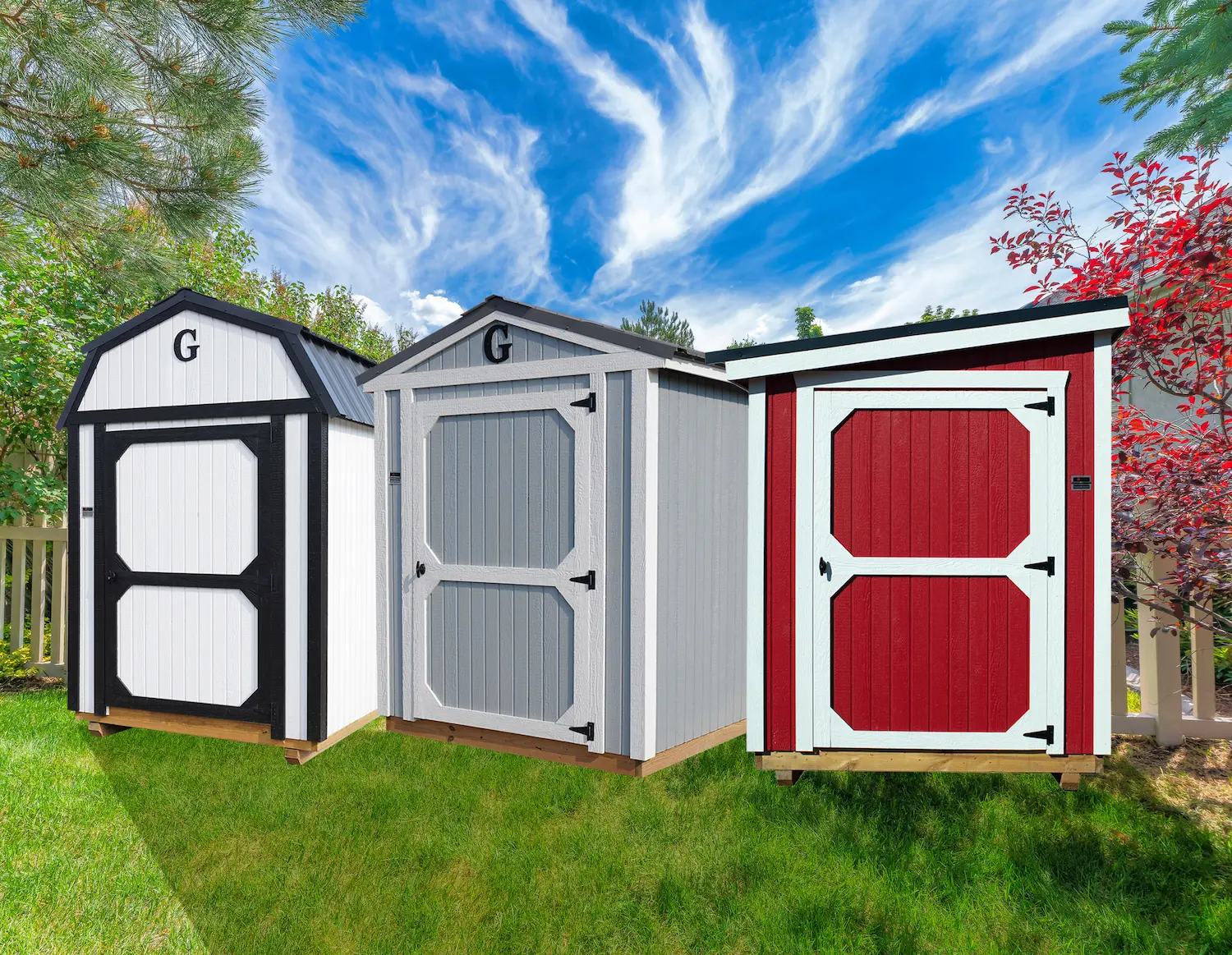
Portable storage buildings have become the go-to choice for North Carolina homeowners because they arrive faster, skip the concrete work, and can be customized to fit almost any storage need. You get a factory-built structure with a real warranty, delivered and set up on your property in weeks rather than months. For most buyers comparing their options, the portable route solves the storage problem with far less hassle than a traditional site-built shed.
Picture the garage you cannot park in anymore. Tools piled in the corner of the porch. A riding mower sitting outside through every rainstorm. If any of that sounds familiar, you have probably thought about adding a shed to the property at some point.
For years, the standard answer was to hire a contractor, pour a concrete slab, and build something permanent. That process worked, but it was slow, expensive, and involved a lot of coordination. Today, a growing number of homeowners are skipping that path entirely and choosing a portable storage building instead.
This guide breaks down what makes portable buildings different from traditional sheds, why the shift is happening, and how to figure out which option makes sense for your yard and storage situation in North Carolina.
Table of Contents
What Is the Difference Between a Portable Storage Building and a Traditional Shed?
A portable storage building is a factory-built structure that arrives at your property pre-built, sits on treated wooden runners and ground-level blocks, and can be moved if your situation changes. A traditional shed is typically built on-site by a contractor and anchored to a permanent foundation like a concrete slab.
The key word in "portable building" is not just the ability to physically move it later. It also describes how it gets to you. Instead of scheduling a contractor and waiting for a build crew, a portable building is manufactured to your specifications at a production facility, then delivered and set up by a professional crew on a scheduled day. Once in place, it functions exactly like a permanent structure for everyday storage and use.
Most quality portable buildings are built on treated 4x6 floor runners with treated floor joists, secured with galvanized ring-shank nails and hurricane screws. The result is a structure that is stable, level, and ready to use the same day it arrives.
Expert Tip from Epic Sheds: When customers come to the display lot comparing their options, the most common surprise is how solid a portable building feels once it is set up. The floor, walls, and framing are all the same structural material you would find in a contractor-built shed. The difference is that the work happened in a controlled factory environment instead of your backyard.
Why Are More Homeowners Choosing Portable Buildings?
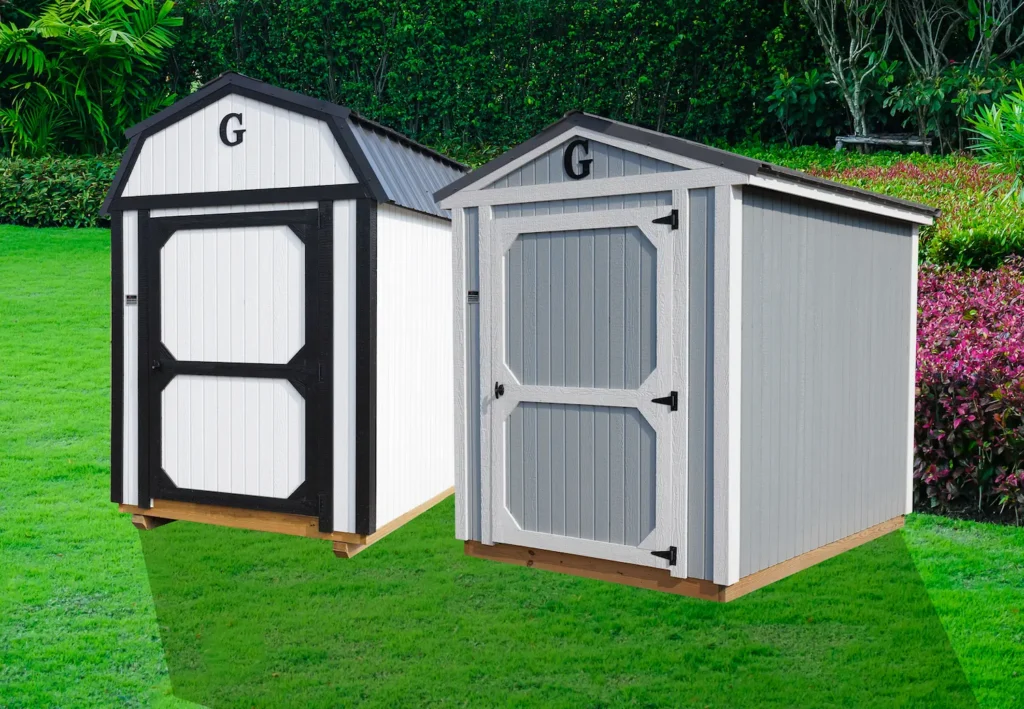
The shift toward portable storage buildings is being driven by convenience, speed, and improved build quality, not just price. Most homeowners who choose a portable building are not cutting corners. They are solving a real storage problem while avoiding a construction project.
A few specific reasons are pushing more buyers in this direction right now.
The Timeline Is Much Shorter
A site-built shed typically involves hiring a contractor, scheduling the foundation work, sourcing materials, waiting for the build, and dealing with weather delays. The whole process can stretch from six weeks to several months depending on contractor availability.
Most custom portable buildings are built and delivered in 2 to 4 weeks, though timelines can vary by building type, size, customization options, and current production schedules. For someone who needs storage now rather than in three months, that difference matters a lot.
No Foundation Work Required
A traditional shed needs a concrete slab or another permanent foundation before a single wall goes up. That means excavation, leveling, curing time, and added cost before you have a building at all.
A portable building sits on treated wooden runners and ground-level blocks. The delivery crew handles the leveling and setup as part of the installation. Portable buildings are designed so the foundation work is built into the structure itself, which makes installation far simpler and faster for the property owner.
Financing Is More Accessible
One reason portable buildings have widened their appeal is that rent-to-own financing has made them accessible to buyers who do not want to pay the full cost upfront. Rent-to-own with no credit check is available through Epic Sheds, with flexible payment plans and no large down payment required. Ask about current payment terms when you request your quote.
Multi-Purpose Use Has Grown
Industry trends through 2025 show that homeowners are using sheds for far more than lawn equipment storage. Backyard offices, hobby rooms, art studios, and workshop spaces are all common requests. Portable buildings can be customized with windows, insulation options, loft storage, porches, and extra doors, which makes them practical for a much wider range of uses than a basic utility storage box.
How Do Portable Buildings Hold Up Compared to Site-Built Sheds?
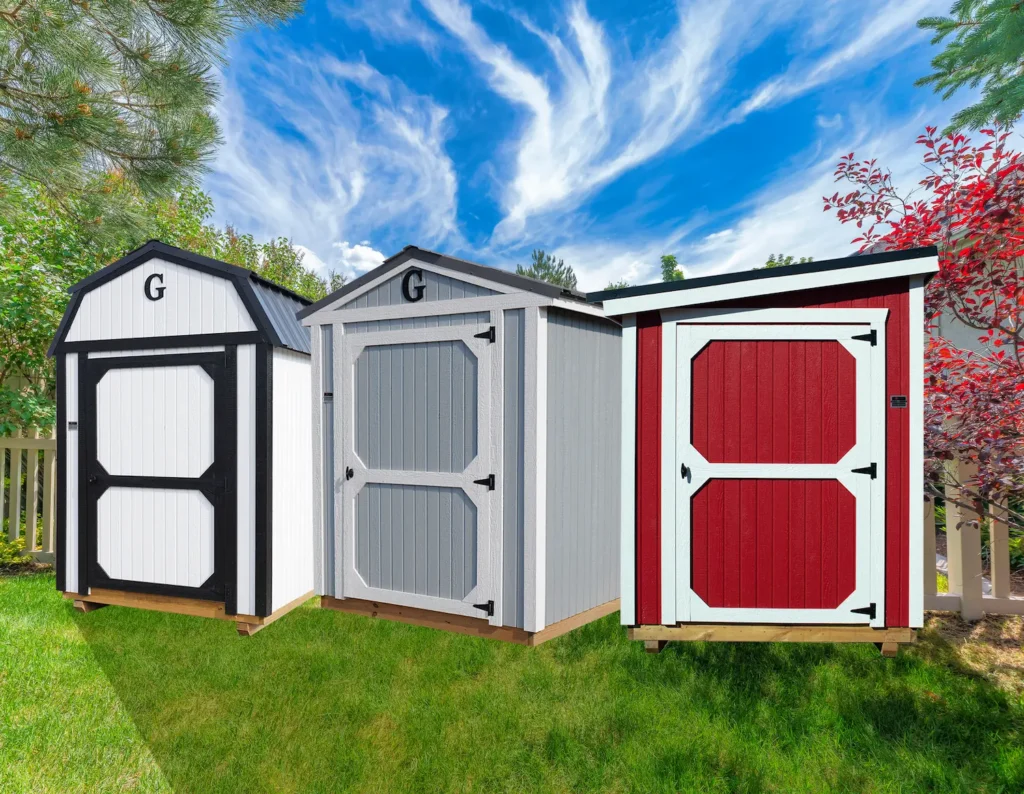
A well-built portable storage building can match or outlast a poorly constructed permanent shed. The key is the quality of materials and how the building is put together. Not every portable building is built the same way, so what the manufacturer uses matters.
Graceland Portable Buildings, the manufacturer behind the buildings sold at Epic Sheds, uses a construction approach designed for long-term durability in variable weather conditions. That includes:
- Treated 4x6 floor runners and treated 2x6 floor joists for a solid, rot-resistant floor system
- Galvanized ring-shank nails that resist rust and do not back out over time
- Hurricane screws on structural connections
- 16-inch on-center wall studding with double-studs for reinforced strength
- T1-11 siding backed by a 25-year siding warranty on applicable products
From the Epic Sheds Team: One feature worth knowing about is the patented soffit ventilation system used in Graceland buildings. The combination of aluminum soffit vents and screened ridge vents keeps the interior significantly cooler during NC summers, which matters if you are storing anything sensitive to heat or planning to spend time in the building as a workshop or hobby space. Epic Sheds highlights this as keeping buildings 10 to 30 degrees cooler. Ask about ventilation specifics when you get your quote.
The 7-year warranty highlighted by Epic Sheds (applicable to the Signature Series) and the 25-year siding warranty on applicable siding give buyers a real backstop if something does not perform as expected. Verify warranty coverage for the specific model you are considering when you request your quote.
What About Permits and Zoning in North Carolina?
Permit rules for accessory structures in North Carolina vary by city, county, building size, and intended use. There is no single statewide rule that applies to every property.
As a general reference point, the North Carolina building code triggers permit requirements for accessory structures once any dimension exceeds 12 feet. Some counties have different thresholds. In some jurisdictions, buildings under 400 square feet that remain portable, are not tied into utilities, and do not sit on a permanent foundation may be exempt. But this is not universal across North Carolina.
Durham's accessory structure requirements include rules about setbacks from property lines and neighboring structures. Wake County has its own process through the county permits office. Other cities and counties manage this differently.
HOA rules add another layer. Even if your county does not require a permit, your HOA may have requirements around building size, placement, color, or style. Check your HOA covenants before finalizing your order.
Epic Sheds Note: In Durham, a permit is typically required before placing an accessory structure on your property, even for a portable shed. We recommend confirming requirements with your local building and zoning office before you choose your building size and placement. Getting that step out of the way early means no surprises on delivery day.
Bottom line: Always check local permit, zoning, setback, and HOA rules for your specific address before ordering. Epic Sheds can help you think through placement options, but the permit research is your responsibility as the property owner.
Portable Storage Buildings vs Traditional Sheds: Side-by-Side Comparison
Here is a direct comparison of the two options across the factors most homeowners ask about.
| Factor | Portable Storage Building | Traditional Site-Built Shed |
|---|---|---|
| Installation | Delivered and set up in 1 day by a professional crew | Requires contractor scheduling, foundation work, and build time |
| Foundation | Treated wooden runners on ground-level blocks | Concrete slab or permanent foundation |
| Timeline | Most orders in 2 to 4 weeks (varies) | 6 weeks to several months depending on contractor |
| Upfront Cost | Generally lower; financing available with no credit check | Higher initial cost; foundation adds significant expense |
| Relocation | Can be moved if your situation changes | Permanent; extremely difficult and costly to move |
| Customization | Wide range: colors, windows, doors, porches, lofts, roll-up doors | Highly customizable but changes are permanent |
| Warranty | 7-year (Signature Series); 25-year on applicable siding | Varies by contractor; typically no formal product warranty |
| Permit Requirement | Varies by size and county; check local rules | Typically required; often more extensive due to permanent foundation |
Timeline, pricing, and warranty details vary by model, series, and customization. Contact Epic Sheds for specifics on your building.
Which Type of Building Is Right for Your Yard and Situation?
For most North Carolina homeowners dealing with a straightforward storage problem, a portable storage building is the better fit. If you need a place for tools, lawn equipment, seasonal items, a workshop, or even a backyard office shell, a quality portable building handles the job well.
A site-built shed may make more sense if you are planning to run electrical service, plumbing, or HVAC into the structure, or if you are building something that will be treated as a semi-permanent part of the property for resale purposes. Those projects involve different permitting and construction requirements that go beyond what a portable building typically covers.
Here is a simple use case guide:
| Your Situation | Better Fit |
|---|---|
| Lawn mower, tools, and seasonal storage | Portable garden shed or lofted barn |
| Workshop or hobby space | Lofted barn or portable garage |
| Vehicle, boat, or ATV storage | Portable garage with roll-up door |
| Backyard office or hobby room shell | Portable cabin (subject to local code and permits) |
| Small yard or tight budget | Mini or economy shed |
| Renting the property | Portable building (can move with you) |
| Full garage with utilities planned | Consult a local contractor for site-built option |
If you are not sure which building fits your yard, the best starting point is visiting a display lot in person. Walking around full-size buildings gives you a much better sense of scale than any photo online. Epic Sheds has display lots where you can see the portable buildings and shed styles in person before committing to anything.
How to Order a Portable Storage Building in North Carolina
Getting a portable storage building is a straightforward process from quote to delivery. Here is what to expect.
Step 1: Request a quote. Tell Epic Sheds what you need in terms of size, use case, and any customization. You can do this online, by phone, or in person at either display lot. Pricing varies by size, style, and the options you choose.
Step 2: Confirm your site. Before delivery day, you need a clear path to the spot where the building will go and a reasonably level surface. The delivery crew can work with slight slopes using blocking, but significant grade changes or very soft ground may need to be addressed first. The crew will set the building on ground-level blocks during installation.
Step 3: Check permits. Once you know your building size and placement, confirm permit and zoning requirements with your local building department. Do this before your order is finalized, if possible.
Step 4: Your building is manufactured. Most custom orders are built and delivered in 2 to 4 weeks. Timelines can vary by model, current production schedules, and customization complexity. Ask for a current lead time estimate when you request your quote.
Step 5: Delivery and setup. A professional crew delivers and sets up the building on your property. Free delivery and professional setup are included within Epic Sheds' service radius. Call to confirm delivery for your specific address.
For more detail on how Graceland delivery works, the Graceland website walks through the full process. If the upfront cost is a concern, ask about rent-to-own with no credit check when you request your quote.
Conclusion
Portable storage buildings have become the practical, no-hassle option for homeowners who need more space without a construction project. You get a custom-built structure with real materials and a real warranty, set up on your property in a fraction of the time it takes to build something from scratch.
For most storage needs in North Carolina, a portable building from a quality manufacturer solves the problem well. The main things to sort out before ordering are your site prep, your local permit requirements, and the right size for what you plan to store.
Epic Sheds is an authorized Graceland Portable Buildings dealer with display lots in Durham and Charlotte. Stop by to see the buildings in person, or request a free quote to get pricing on the size and style you have in mind. You do not need to have every detail figured out before reaching out.
Durham: 5032 Guess Road Unit S, Durham, NC 27712 | 919-364-0884 Pineville: 618 N Polk Street Unit S, Pineville, NC 28134 | 704-385-5770
Frequently Asked Questions
Do portable storage buildings require a concrete foundation?
No. Portable storage buildings sit on treated wooden runners supported by ground-level blocks. The delivery crew handles leveling and setup as part of installation. You do not need to pour a concrete slab before your building arrives. This is one of the main reasons portable buildings are faster and less expensive to get into place than traditional site-built sheds.
Can I move a portable building if I sell my house or move?
Yes, in most cases. Portable buildings are designed to be relocated. The building sits on skids and blocks rather than a permanent foundation, so a crew with the right equipment can lift and move it. If you are renting or think you may move in the next few years, this flexibility is a real advantage over a site-built shed that stays with the property.
Are portable storage buildings as durable as permanent sheds?
A quality portable building built with treated lumber, ring-shank nails, reinforced walls, and proper ventilation can hold up just as well as a site-built shed. Durability comes down to the construction quality and the materials used. Graceland Portable Buildings, the manufacturer behind Epic Sheds' lineup, backs the Signature Series with a 7-year warranty and a 25-year siding warranty on applicable products. Verify coverage for the specific model you are considering.
Do I need a permit for a portable shed in North Carolina?
Permit requirements vary by county, city, building size, and how the structure will be used. As a general guideline, North Carolina building codes tend to require permits once any dimension of an accessory structure exceeds 12 feet, though local rules differ. Some counties have different size thresholds or exemptions for portable structures. Always check with your local building and zoning department for the rules that apply to your specific address and building size before ordering.
What is rent-to-own for a shed and how does it work?
Rent-to-own lets you take delivery of your building by making a starting payment, then paying the remaining balance in monthly installments. Epic Sheds offers rent-to-own with no credit check and payment plans up to 60 months. There is no large upfront cost required. It is a practical option if you want the storage space now but prefer to spread the cost over time. Ask about current payment terms and eligibility when you request your quote.